

The construction industry is undergoing a massive digital transformation, with cloud-based pavement management software emerging as the critical infrastructure for modern contractors. According to recent industry reports, firms adopting integrated digital workflows see an average 20% increase in operational efficiency within the first year of deployment. This shift is not merely about digitizing paper records; it is about creating a unified ecosystem where sales, estimating, and field operations communicate in real time. For pavement contractors, the ability to access accurate job data from any device has become a non-negotiable competitive advantage. (Paving Sealcoating Concrete Pavement)
Why Cloud-Based Architecture Matters for Pavement Contractors
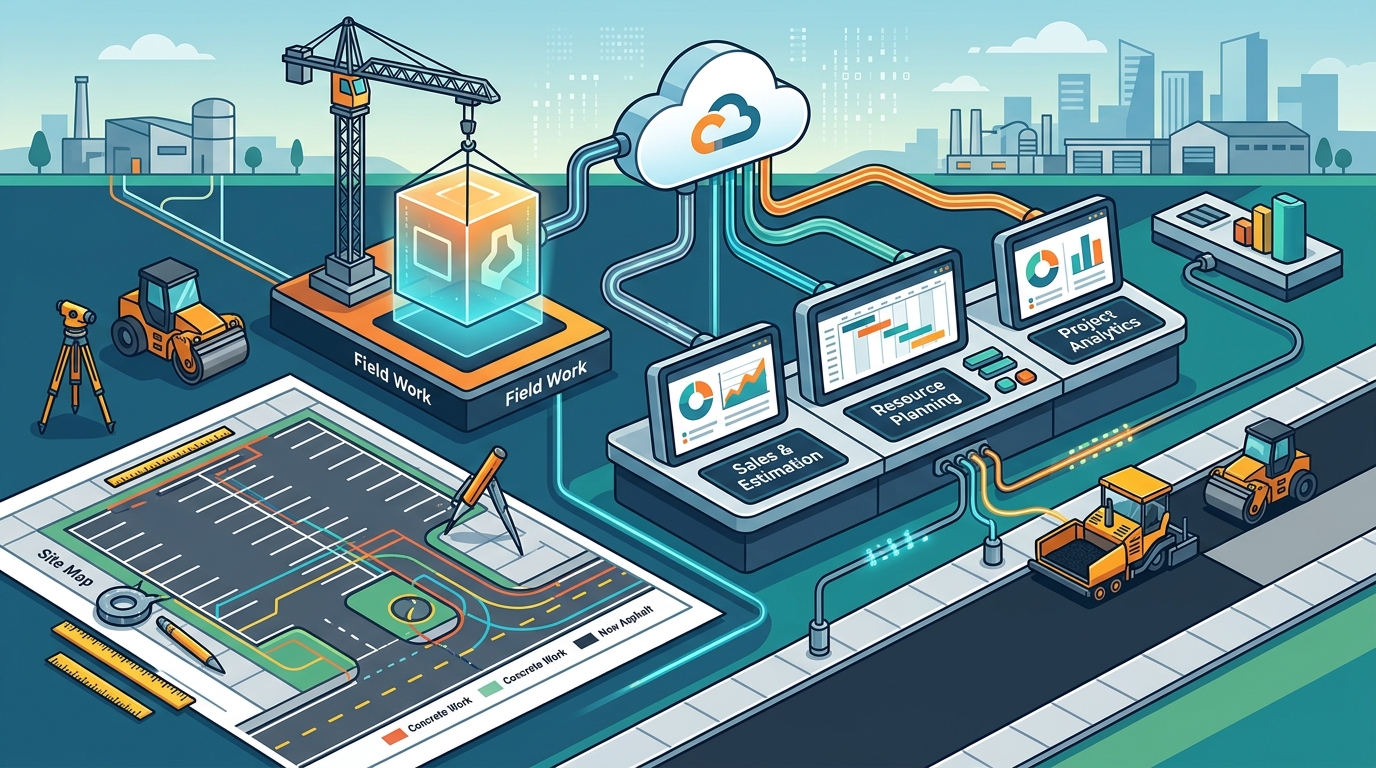
Traditional on-premise software solutions often create data silos, preventing field crews from accessing the latest proposal details or job costs. Cloud-based pavement management software eliminates these barriers by centralizing data in a secure, accessible environment. This architecture allows for seamless synchronization between the office and the job site, ensuring that everyone is working from the same source of truth. (Testimonials Pavement Layers Pavement)
One of the primary benefits of cloud computing in this sector is scalability. As your company grows from a small team to a large enterprise, your software infrastructure can expand without requiring significant hardware investments. This flexibility is crucial for contractors who experience seasonal fluctuations in workload and team size. Furthermore, cloud solutions typically include automatic updates, ensuring that your team always has access to the latest features and security patches without manual intervention.
Data security is another critical consideration. Reputable cloud providers invest heavily in encryption and backup protocols, protecting your sensitive business data from loss or theft. This level of protection is often more robust than what individual companies can achieve with local servers. By leveraging cloud technology, pavement contractors can focus on their core competencies rather than IT maintenance.
Core Features of Modern Pavement Management Systems
To effectively manage a pavement business, you need a system that covers the entire project lifecycle. The following features are essential for any modern pavement management platform.
Integrated CRM and Lead Management
Effective sales start with effective lead management. A robust Customer Relationship Management (CRM) module allows you to track prospects from initial contact to final conversion. This feature ensures that no lead falls through the cracks and provides visibility into your sales pipeline. By organizing client data centrally, you can personalize your communication and improve conversion rates.
Real-Time Estimating and Proposal Generation
Speed is critical in the bidding process. Cloud-based estimating tools enable you to create detailed, professional proposals in minutes. These tools often include pre-loaded specifications for common services such as asphalt paving, sealcoating, and concrete repair. You can also customize these specifications to match your company's unique standards. The ability to insert site photos, maps, and insurance documents directly into the proposal enhances its professionalism and increases the likelihood of winning the bid.
Field Integration and Mobile Accessibility
The connection between the office and the field is where many projects succeed or fail. Mobile applications allow field crews to access work orders, view site plans, and update job status in real time. This integration reduces errors caused by miscommunication and ensures that project managers have up-to-date information on job progress. Some advanced systems even integrate with specialized measuring apps, allowing for precise site assessments directly from the job site.
Job Costing and Financial Tracking
Accurate job costing is vital for profitability. Cloud-based software provides real-time tracking of labor, materials, and equipment costs against the original estimate. This visibility allows you to identify potential budget overruns early and take corrective action. Additionally, integration with accounting software like QuickBooks streamlines the invoicing process, ensuring that you get paid faster and maintain healthy cash flow.
Understanding Pricing Models and ROI
Investing in pavement management software is a strategic decision that requires careful consideration of costs and returns. Most cloud-based solutions operate on a subscription model, charging per user per year. This structure offers predictability and allows you to scale costs in line with your team size.
When evaluating pricing, look beyond the base subscription cost. Consider the total cost of ownership, including training, support, and any additional integrations. Many providers offer tiered pricing based on the number of users, with discounts available for larger teams. For example, small businesses with fewer than five users might pay a higher per-user rate, while larger enterprises benefit from volume discounts.
The return on investment (ROI) for pavement software is often realized through increased win rates, reduced administrative time, and improved job profitability. By automating repetitive tasks and providing accurate data, the software pays for itself by enabling your team to focus on high-value activities. Many contractors report that the software pays for itself within the first few projects won through improved proposal quality and speed.
Implementation and Onboarding Strategies
Successful implementation of cloud-based pavement software requires a structured approach. The first step is to assess your current workflows and identify areas for improvement. This analysis will help you customize the software to meet your specific needs.
Training and Support
Comprehensive training is essential for ensuring user adoption. Look for providers that offer detailed video tutorials, live webinars, and dedicated support teams. A well-trained team will maximize the software's potential and minimize resistance to change. Many providers also offer onboarding assistance to help you set up your account and import existing data.
Data Migration and Setup
Migrating your existing data to the new cloud system can be a complex process. Work with your provider to ensure a smooth transition, including the import of client lists, project histories, and financial records. Proper data migration ensures that you can continue to leverage your historical data for analysis and forecasting.
Continuous Improvement
Once your team is up and running, focus on continuous improvement. Regularly review your workflows and adjust the software configuration to better suit your evolving needs. Stay informed about new features and updates released by your provider to ensure you are always using the most effective tools available.
Comparison of Leading Software Solutions
Choosing the right pavement management software depends on your specific business needs and size. The following table compares key features of leading solutions in the market.
| Feature | Pavement Layers | Competitor A | Competitor B |
|---|---|---|---|
| Cloud-Based CRM | Yes | Yes | Yes |
| Mobile App Integration | Yes (WheelitOff) | Limited | Yes |
| QuickBooks Integration | Yes | Yes | No |
| Proposal Customization | High | Medium | Low |
| Real-Time Tracking | Yes | Yes | Yes |
| Onboarding Support | Comprehensive | Basic | Comprehensive |
Pavement Layers stands out for its specialized focus on the pavement industry, offering deep integration with field tools and a proven process that guides users from prospect to invoice. Its emphasis on simplicity and speed makes it an ideal choice for contractors who want to minimize setup time and maximize immediate value.
Key Takeaways
- Cloud-based pavement management software centralizes data, enabling real-time collaboration between office and field teams.
- Integrated CRM and estimating tools significantly reduce proposal creation time, often to under five minutes.
- Mobile accessibility is crucial for field crews to access work orders and update job status on the go.
- Subscription pricing models offer scalability and predictability, with costs often justified by increased win rates.
- Comprehensive training and support are essential for successful implementation and user adoption.
- Integration with accounting software like QuickBooks streamlines invoicing and financial tracking.
- Specialized software like Pavement Layers offers industry-specific features that generic tools may lack.
Frequently Asked Questions
What is cloud-based pavement management software?
Cloud-based pavement management software is a web-enabled platform that allows contractors to manage sales, estimating, and operations from any internet-connected device, eliminating the need for local server installation.
How long does it take to set up cloud pavement software?
Most cloud-based solutions can be set up in less than two hours, with many providers offering guided onboarding to get your team up and running quickly.
Does cloud pavement software integrate with QuickBooks?
Yes, many leading pavement management platforms, including Pavement Layers, offer one-click integration with QuickBooks Online and Desktop to streamline financial workflows.
Can I use pavement software on my mobile device?
Absolutely. Cloud-based pavement software is designed to be accessible on laptops, PCs, Macs, iPads, and smartphones, ensuring you have access to your data wherever you are.
What is the typical cost of pavement management software?
Pricing varies by provider and user count, but typical costs range from $1,900 to $2,200 per user per year for comprehensive features, with discounts for larger teams.
How does cloud software improve proposal quality?
Cloud software allows for the easy insertion of site photos, maps, and custom specifications into proposals, creating a more professional and persuasive document that wins more bids.
Is data secure in the cloud?
Reputable cloud providers use advanced encryption and backup protocols to protect your data, often offering a higher level of security than on-premise solutions.
What kind of support is available for new users?
Most providers offer comprehensive support, including video tutorials, live training, and dedicated customer service teams to assist with setup and ongoing questions.
Start Your Transformation Today
The future of pavement contracting is digital, and the time to act is now. By adopting cloud-based pavement management software, you can streamline your operations, win more bids, and grow your business with confidence. Don't let outdated processes hold you back. Experience the power of seamless integration and real-time data by starting your free trial today. Visit Pavement Layers to get started and see how our proven process can transform your business.