

Creating a winning proposal with images using pavement software is a process of combining accurate cost estimation with high-quality visual storytelling to reduce client uncertainty. PavementLayers, a cloud-based solution based in Cincinnati, Ohio, helps pavement professionals execute this by allowing them to create, organize, estimate, and send customized proposals with images. This guide covers how to leverage proposal templates and visual assets to increase win rates and streamline your sales workflow.
Proposal Templates and Visual Structure
Proposal templates are pre-designed digital frameworks that standardize the layout, branding, and content flow of a sales document. Using a consistent template ensures that every client receives a professional and uniform presentation, which builds trust before they even read the pricing details. In the pavement industry, where projects can range from simple residential driveways to complex commercial asphalt overlays, a structured template helps organize complex data into a readable format. For additional details, review the Error 403 Forbidden.
Standardizing Brand Identity
Brand consistency is a critical component of a winning proposal. When a client opens a document, they should immediately recognize the company through its logo, color palette, and typography. PavementLayers allows users to embed their specific branding into the software, ensuring that every proposal reflects the company's professional identity. This visual consistency differentiates a pavement company from competitors who may use generic, unbranded spreadsheets or word processors. For additional details, review the Error 403 Forbidden.
Organizing Complex Data
Pavement projects involve multiple variables, including material types, labor hours, equipment usage, and site preparation. A well-structured template breaks these variables into clear sections. For example, a template might separate the "Scope of Work" from the "Material Specifications" and the "Final Investment." This segmentation allows the client to find specific information quickly, reducing the cognitive load required to understand the proposal. For additional details, review the Error 403 Forbidden.
Integrating High-Quality Images
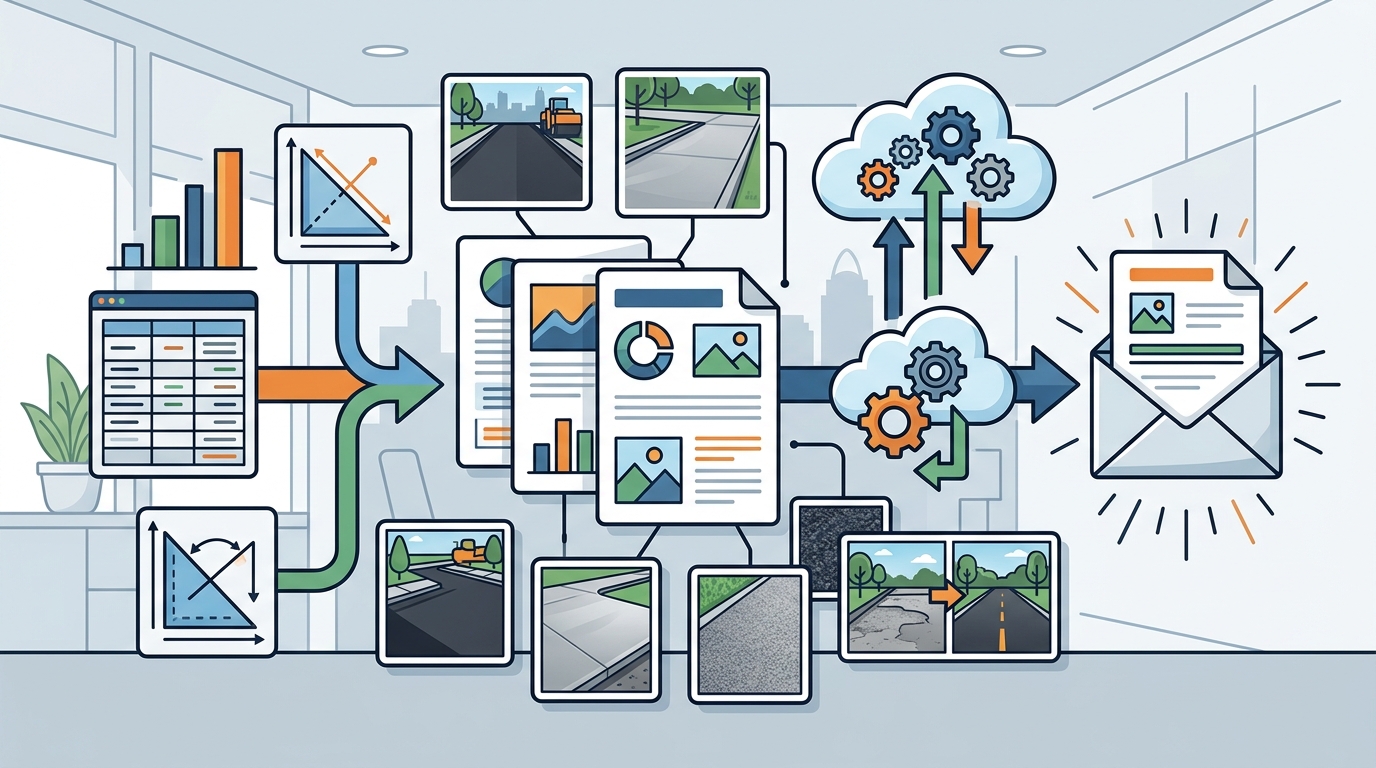
Visual integration is the practice of embedding relevant photographs, diagrams, and site plans directly into the proposal document. Images serve as a bridge between the abstract numbers in an estimate and the tangible reality of the project. For a client, seeing a photo of the specific asphalt mix or a diagram of the drainage plan makes the proposal feel personalized and thorough.
The Role of Site Photos
Site photos are the most effective visual asset in a pavement proposal. They demonstrate that the estimator has actually visited the location and understands the specific challenges of the site. Including a photo of the existing pavement condition, the access points for heavy machinery, or the surrounding landscape helps the client visualize the final result. This level of detail signals competence and attention to detail, which are key factors in winning competitive bids.
Using Diagrams and Plans
While photos show the current state, diagrams and plans show the intended outcome. A simple sketch of the proposed driveway layout, including dimensions and material boundaries, can clarify the scope of work. Pavement software allows users to upload these visual assets and place them precisely within the proposal. This ensures that the visual context aligns with the corresponding line items in the estimate.
Estimation Accuracy and Pricing
Estimation accuracy is the degree to which a project cost prediction reflects the actual expenses required to complete the work. In the pavement industry, underestimating costs can lead to project losses, while overestimating can result in lost bids. Software tools help mitigate these risks by automating calculations and reducing human error.
Automated Calculations
Manual estimation is prone to errors, especially when dealing with complex shapes or varying material densities. Pavement software automates these calculations by allowing users to input dimensions and material types. The system then calculates the required quantities and applies the current pricing. This automation ensures that the proposal reflects the most up-to-date costs, protecting the company's profit margins.
Customized Pricing Models
Enhancing the Client Experience
Client experience in the context of proposals refers to the ease and clarity with which a client can review, understand, and accept a sales document. A positive client experience reduces friction in the sales process and builds long-term relationships. In the digital age, clients expect proposals to be as easy to consume as any other digital content.
Digital Delivery and Accessibility
Traditional paper proposals are often lost, misplaced, or difficult to share with decision-makers. Digital proposals, delivered via email or a secure link, are accessible from any device. This accessibility allows clients to review the proposal at their convenience and share it with other stakeholders, such as spouses or business partners. PavementLayers facilitates this by generating secure, web-based proposals that can be viewed on desktops, tablets, or smartphones.
Interactive Features
Interactive features, such as clickable links to material specifications or online payment options, enhance the client experience. These features allow the client to take immediate action, such as approving the proposal or scheduling a site visit. By reducing the steps required to close a deal, interactive proposals can significantly shorten the sales cycle.
Tracking and Analytics
Proposal tracking is the process of monitoring the status and engagement of a sent proposal. Analytics provide data on how clients interact with the document, offering insights into their decision-making process. Understanding these metrics allows pavement professionals to follow up more effectively and tailor their sales strategies.
Engagement Metrics
Engagement metrics include data points such as the number of views, the time spent on the proposal, and the specific sections viewed. For example, if a client spends a significant amount of time on the "Material Specifications" section, it may indicate that they are concerned about the quality of the materials. This insight allows the estimator to address these concerns in a follow-up conversation, demonstrating attentiveness and expertise.
Win Rate Optimization
By analyzing proposal data over time, pavement companies can identify patterns that correlate with successful bids. For instance, proposals that include detailed site photos may have a higher win rate than those that do not. This data-driven approach allows companies to refine their proposal templates and content strategies, ultimately increasing their overall win rate.
Comparison of Proposal Methods
| Method | Visual Capabilities | Estimation Accuracy | Client Engagement |
|---|---|---|---|
| Manual (Word/Excel) | Basic image insertion | Prone to human error | Static, low interactivity |
| Generic PDF Generator | Template-based images | Manual calculation required | Read-only, no tracking |
| Pavement Software (e.g., PavementLayers) | Integrated site photos and diagrams | Automated, real-time calculations | Interactive, trackable, secure |
Key Takeaways
- Proposal templates standardize branding and organize complex data, building trust with clients.
- Integrating site photos and diagrams personalizes the proposal and demonstrates site-specific expertise.
- Automated estimation tools reduce human error and ensure pricing accuracy, protecting profit margins.
- Digital delivery enhances accessibility, allowing clients to review proposals on any device.
- Interactive features, such as online approval and payment, shorten the sales cycle.
- Tracking analytics provide insights into client engagement, enabling more effective follow-ups.
- Data-driven refinement of proposal content can significantly improve win rates over time.
- Cloud-based software like PavementLayers centralizes the proposal process, making it easier to manage and scale.
Frequently Asked Questions
What is the primary benefit of using images in a pavement proposal?
The primary benefit is that images reduce client uncertainty by visually demonstrating the scope of work and the estimator's understanding of the site. This visual context helps the client visualize the final result and builds trust in the company's competence.
How does PavementLayers help with proposal creation?
PavementLayers is a cloud-based software solution that allows users to create, organize, estimate, and send customized pavement proposals with images. It streamlines the sales process by integrating estimation tools with visual assets and client tracking features.
Can I use my own photos in the proposal?
Yes, pavement software allows users to upload and integrate their own site photos, diagrams, and plans. This ensures that the proposal reflects the specific details of the client's project, making it more personalized and compelling.
What is proposal tracking?
Proposal tracking is the process of monitoring how a client interacts with a sent proposal. It includes metrics such as views, time spent, and sections viewed, which provide insights into the client's decision-making process.
Does using software improve win rates?
While software itself does not guarantee a win, it improves the quality and professionalism of the proposal. By reducing errors, enhancing visual appeal, and providing tracking insights, software can help pavement companies increase their win rates over time.
Is PavementLayers suitable for small pavement companies?
Yes, PavementLayers is designed to support the sales process of pavement companies of all sizes. Its cloud-based nature and user-friendly interface make it accessible to small businesses looking to professionalize their proposal process.
How do I get started with PavementLayers?
You can get started by signing up for a trial of PavementLayers. This allows you to explore the software's features, including proposal creation, estimation, and tracking, to see how it can benefit your business.
Conclusion
Creating a winning proposal with images using pavement software is a strategic approach that combines visual storytelling with accurate estimation. By leveraging tools like PavementLayers, pavement professionals can enhance the quality of their proposals, improve client engagement, and ultimately increase their win rates. The integration of site photos, diagrams, and automated calculations ensures that every proposal is professional, personalized, and compelling. To start creating winning proposals with images, visit PavementLayers and explore how their cloud-based solution can transform your sales process.